Japan
Explore Japan: Your Complete Travel Guide
Use this guide to choose where to go, how long to stay, and how to move between cities. It is a planning overview, not a personally tested route, and it does not list live prices or room availability.
Planning notes
Japan at a glance
These are planning ranges and seasonal patterns, checked against how travelers actually move around the country. They are not a quote for your dates.
Trip length
7 to 14 days for a first visit
Five days is enough for one city, or a rushed split between Tokyo and Kyoto. A week is the usual length for those two cities. Ten to fourteen days is when a third region, such as Hiroshima or a short Hokkaido add-on, stops feeling like a transfer with no time left over.
Seasons
The country does not share one season
Cherry blossoms move north through late March and April. Much of Honshu has a rainy season from early June into mid-July; Hokkaido does not. July and August are hot and humid in the big cities, and typhoons are most common from summer into early autumn. Color arrives in the mountains first, often from late October. Winter is snow season in Hokkaido and the Japan Alps.
Budget
Build it from four costs, not one daily rate
Lodging, intercity trains, local transit, and food move independently. Rooms rise around cherry blossoms, autumn color, Golden Week in late April and early May, Obon in mid-August, and the New Year. This page has not checked live hotel rates, and it does not publish a single daily budget.
Why go
Why visit Japan?
Cities, food, and older districts sit close together, and the trains make a multi-city trip realistic if you leave room for the transfers.
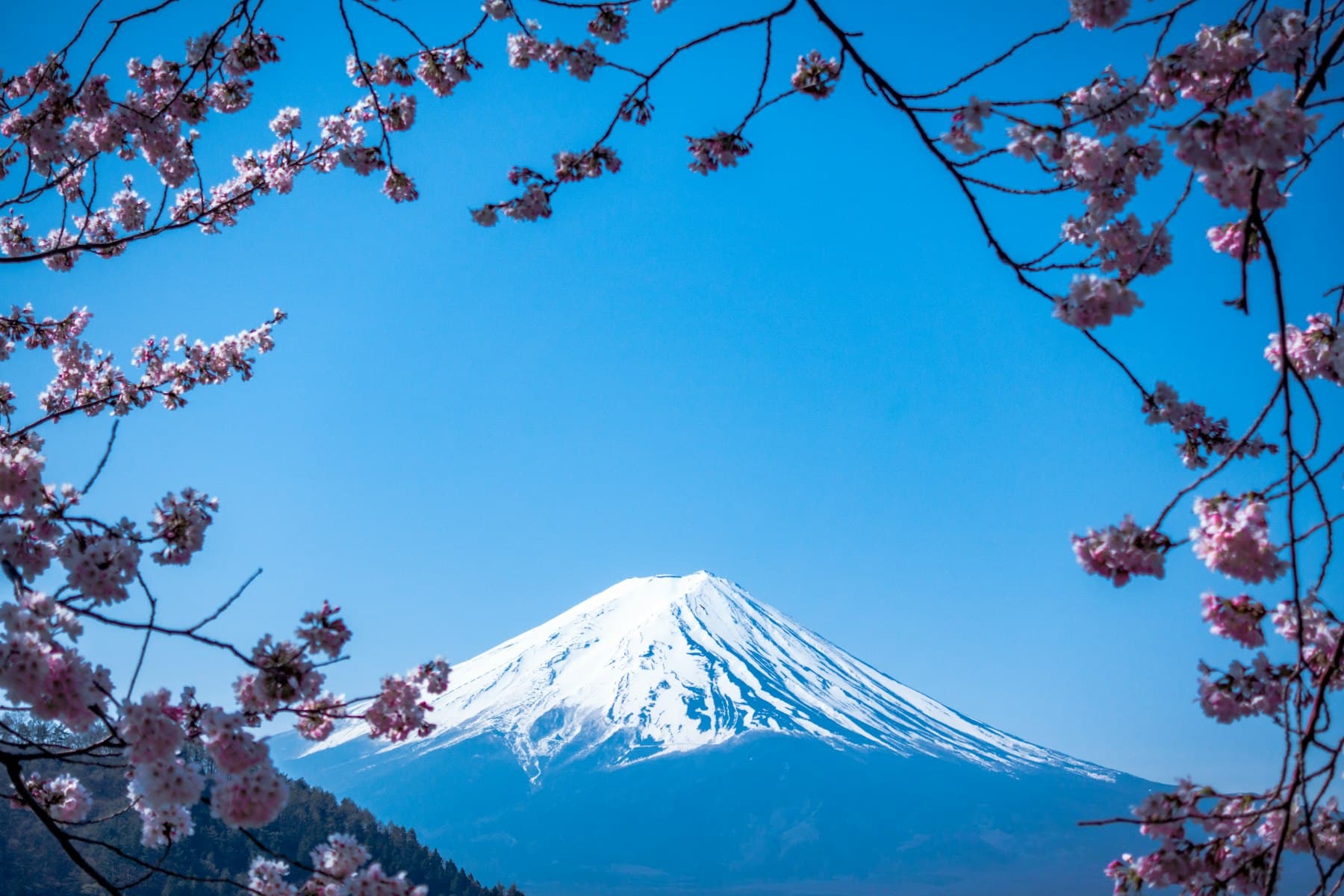
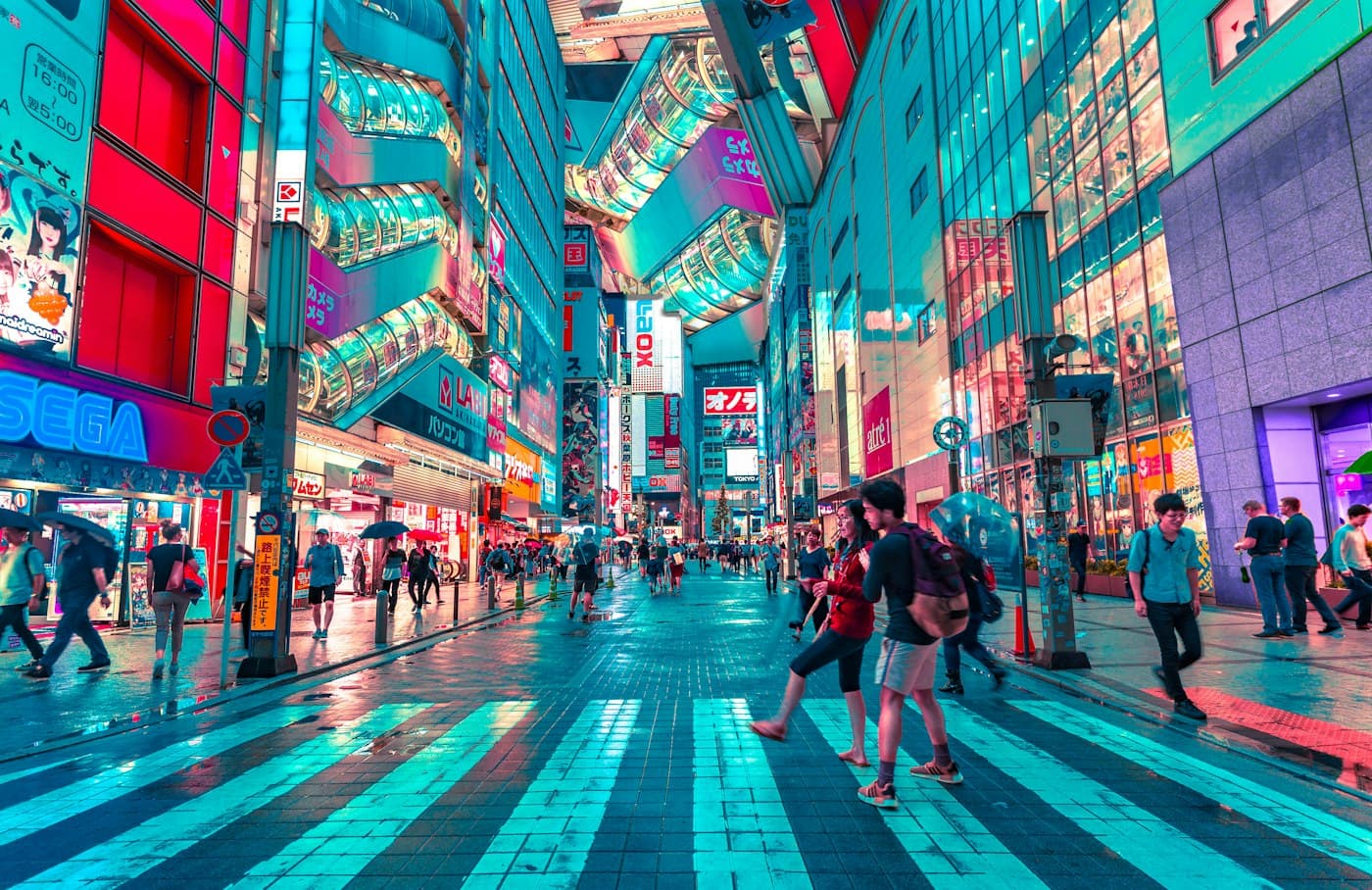
A first trip usually starts with the contrast: Tokyo after dark, then a quieter Kyoto morning. Food is part of the plan rather than a side note, from a standing noodle counter to a meal you book ahead. Nature is not a separate country. Mount Fuji, temple gardens, and the seasons themselves change what a week feels like.
The same week looks different in late March and in August. Blossoms, rain, heat, foliage, and snow move on their own calendars, and they do not arrive in Hokkaido when they arrive in Kyoto. Choose the season for the landscape you want, then pick cities that fit the number of days you actually have.
Where to go
Best places to visit in Japan
Six places cover most first trips. City guides will be linked from each card when those pages are published. Until then, the card is an overview, not a broken link.
Tokyo
Neighborhoods, museums, and day trips, with a rail network that makes a big city easier to cross than it looks.
Guide in progress
Kyoto
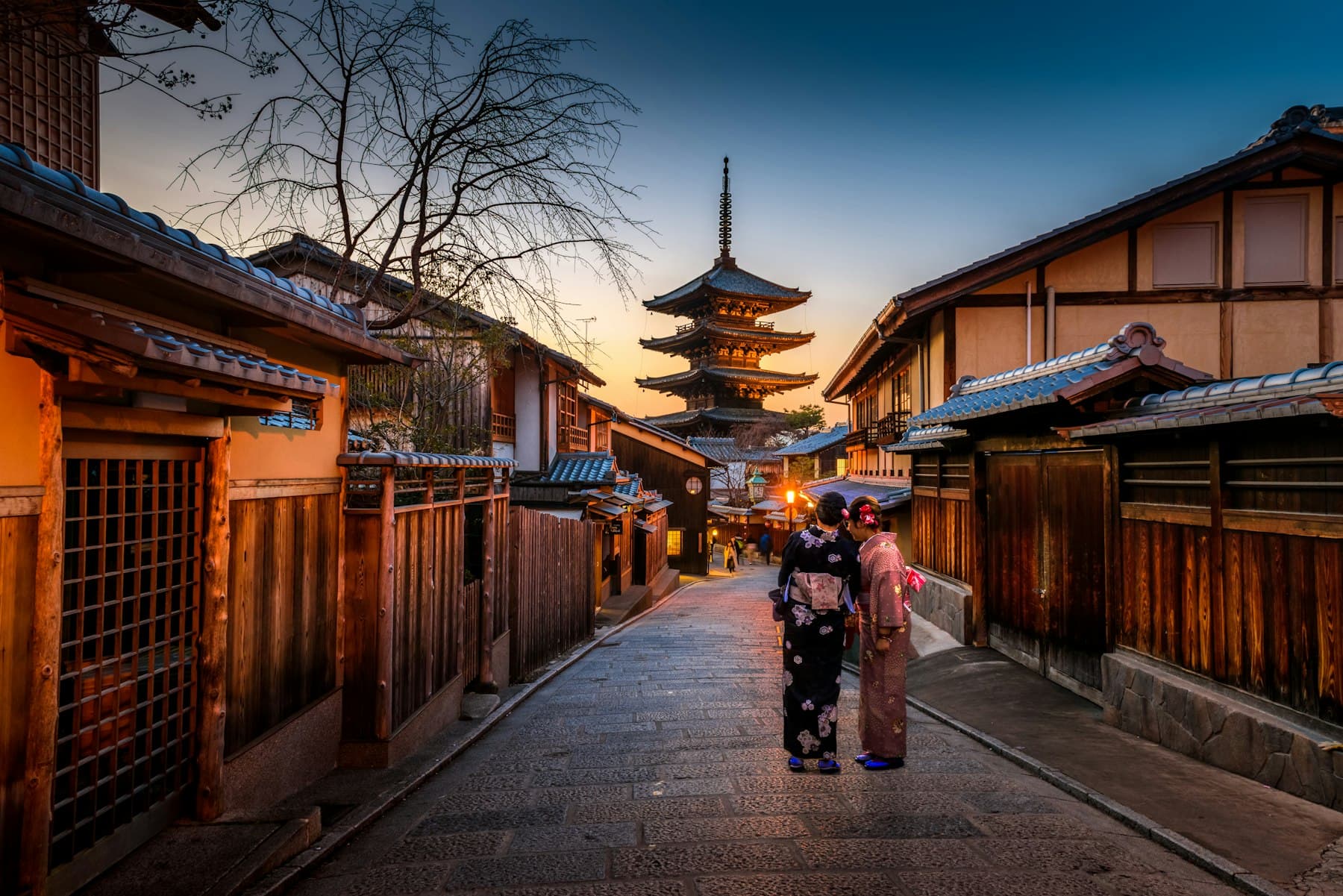
Temple districts and older streets that reward a few nights, not a single afternoon between trains.
Guide in progress
Osaka
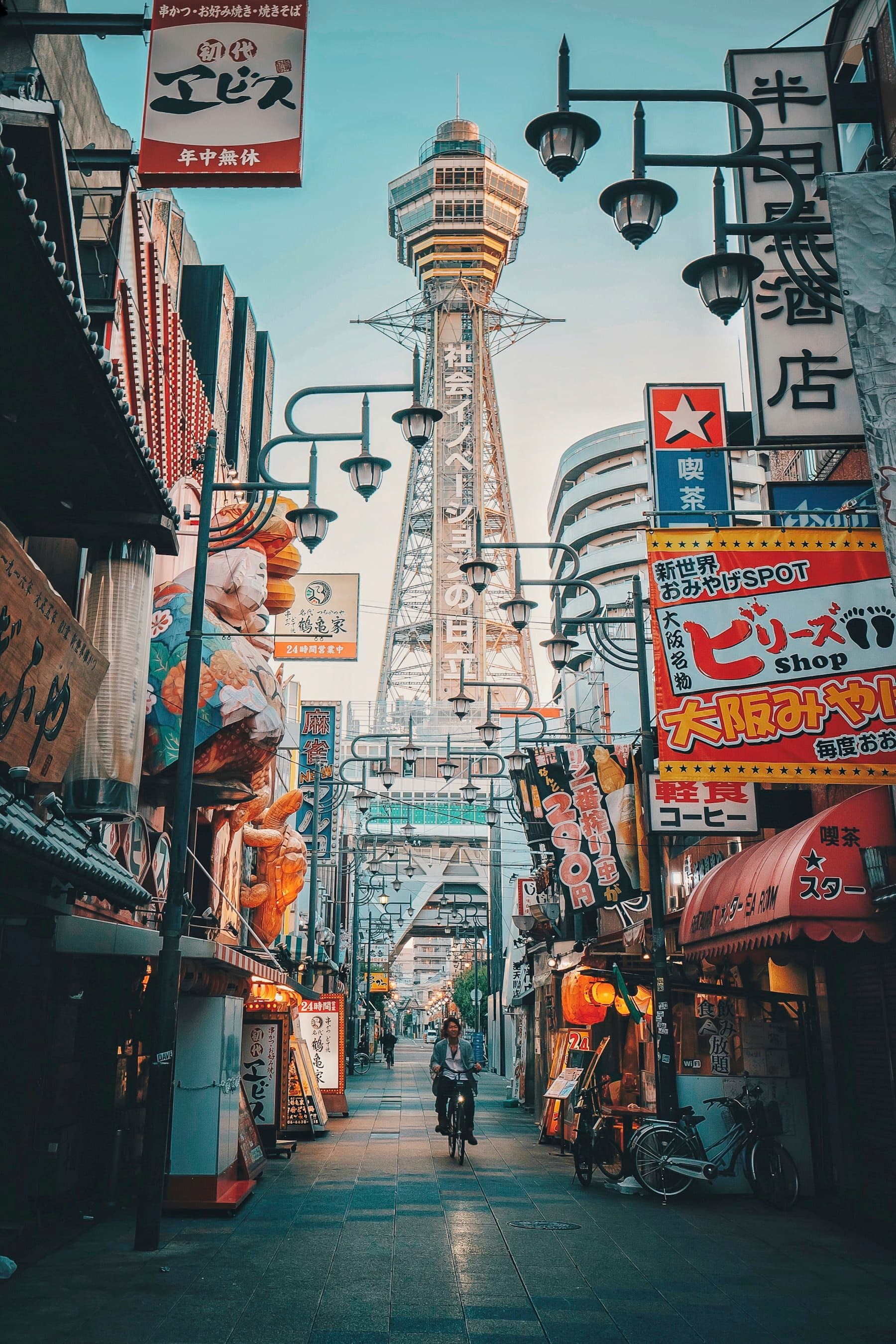
A food-focused city an easy train ride from Kyoto, useful when the trip has room for a third base.
Guide in progress
Mount Fuji
A day trip or an overnight from Tokyo. The mountain is often hidden by cloud, so the view is never guaranteed.
Guide in progress
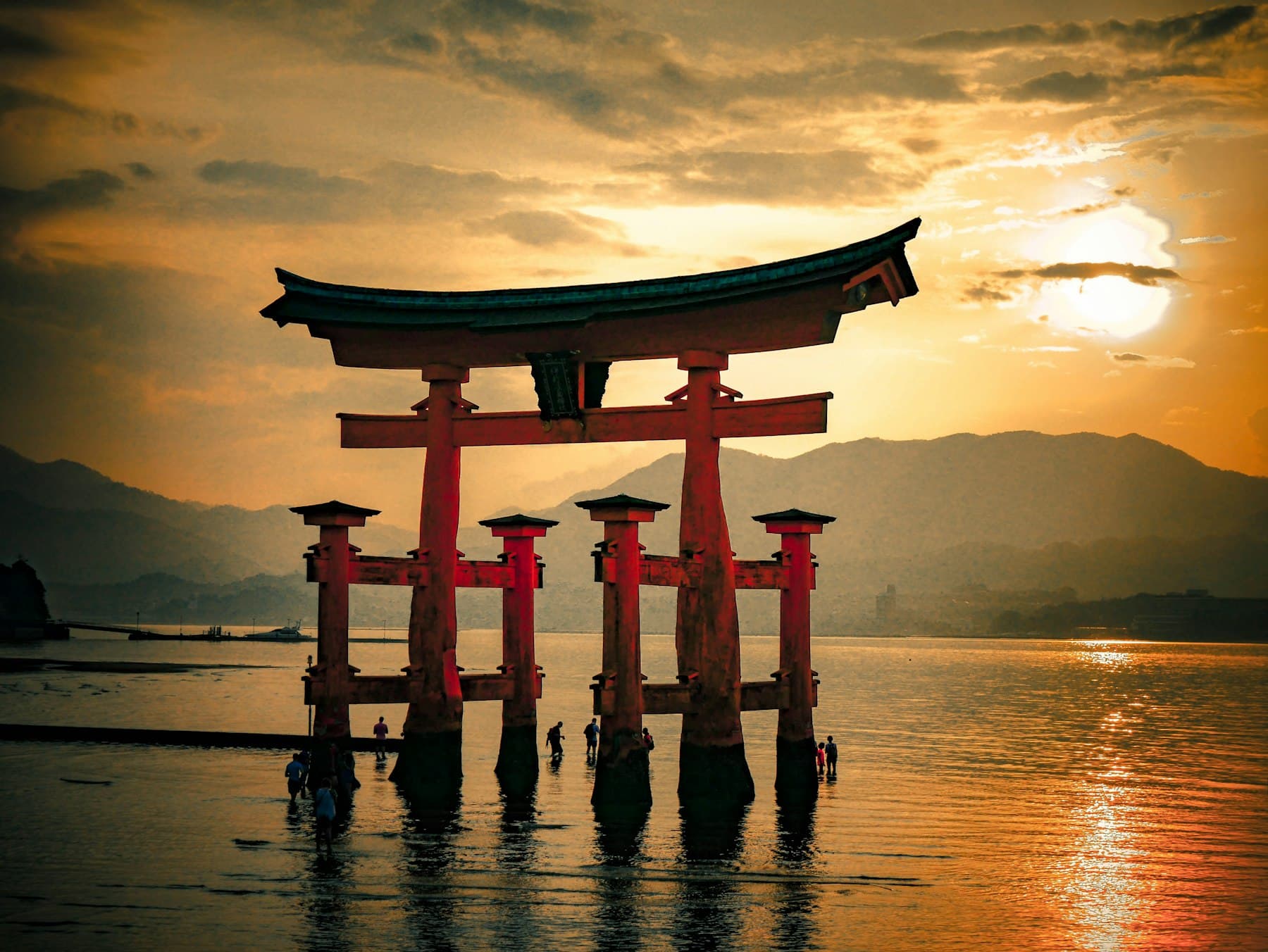
Hiroshima
A western Honshu city usually paired with Miyajima. From Tokyo it is a long shinkansen day; from Osaka or Kyoto it is shorter.
Guide in progress
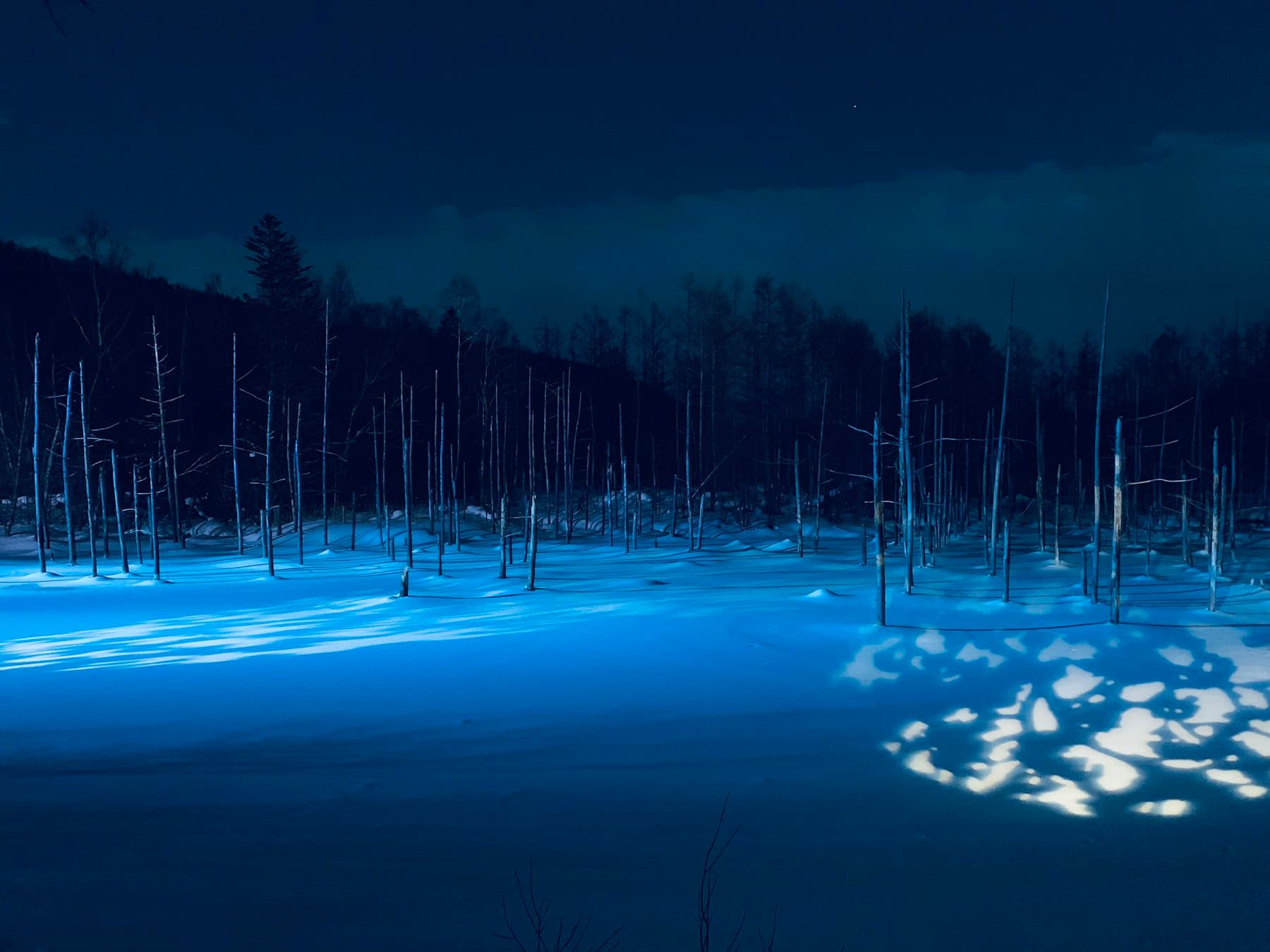
Hokkaido
A northern island with a different season and a long transfer. Most trips add it by air rather than as a side trip from Tokyo.
Guide in progress
Itineraries
Plan your Japan itinerary
Use the length to decide how many bases you can keep. These are route shapes, not day-by-day schedules, and none of them is presented as a personally tested trip.
5 days in Japan
Stay in one city, or split Tokyo and Kyoto and accept that one day is mostly the train. This is a short trip, not a national tour.
Outline only. A dedicated five-day page is not published yet.
Guide in progress
7 days in Japan
The usual first-trip shape: Tokyo and Kyoto, with Osaka only if the pace stays tight. The day-by-day page is still a draft.
Draft outline. Not a personally tested route.
Read the 7-day outline
10 days in Japan
Keep Tokyo and Kyoto, then add Hiroshima and Miyajima or an overnight near Mount Fuji. Ten days is still too short for Hokkaido as well.
Outline only. A dedicated ten-day page is not published yet.
Guide in progress
14 days in Japan
Two weeks allows a slower pace and a third region. Hokkaido fits more naturally here, usually by flight, because the rail journey from Tokyo takes most of a day.
Outline only. A dedicated fourteen-day page is not published yet.
Guide in progress
Experiences
Best things to do in Japan
Food, temples, hot springs, and day trips need different amounts of time. Open a collection where one already exists. The others stay on this page until their guides are ready.
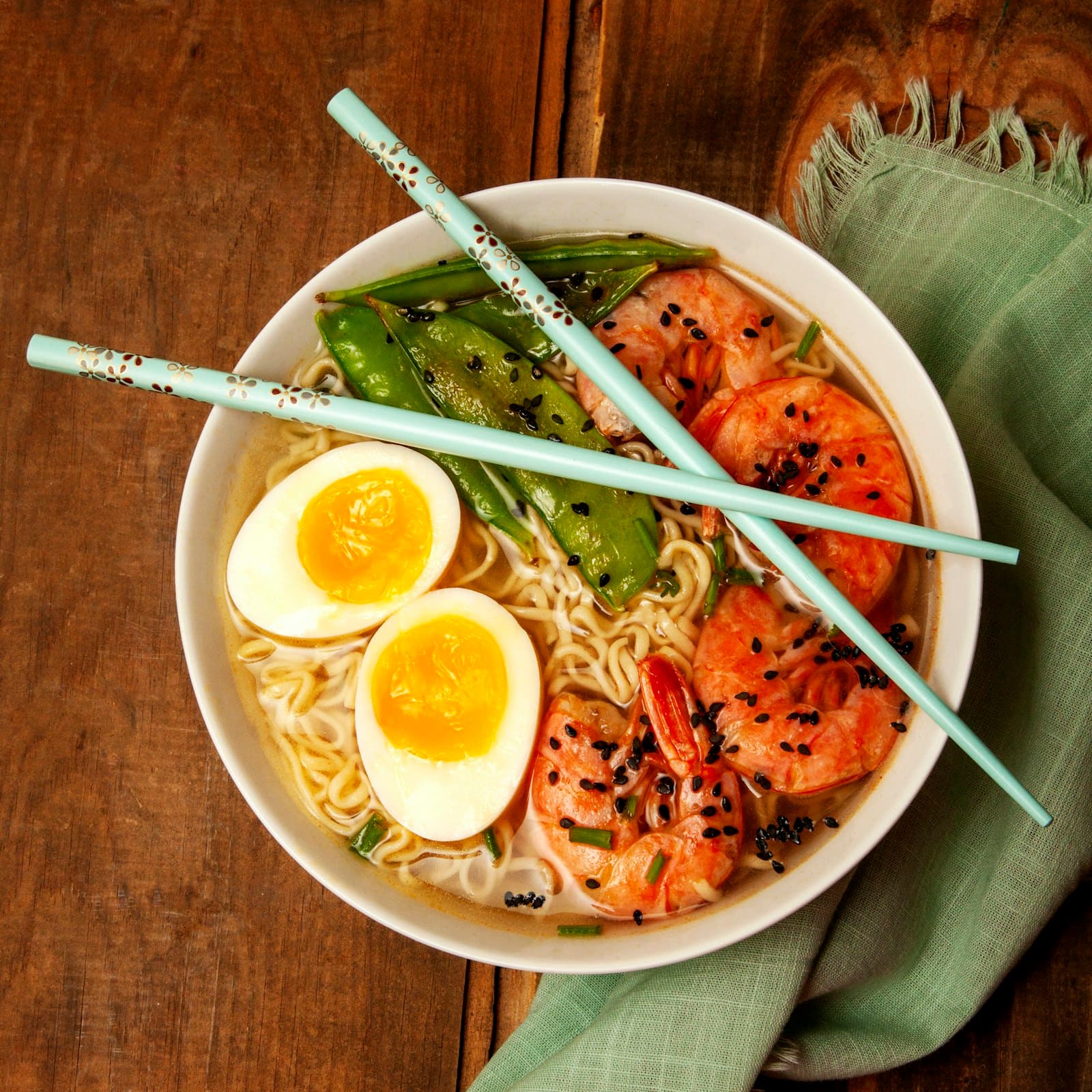
Food
Counter meals, markets, and reserved dinners are different kinds of plans. Noodle shops and convenience stores keep the daily cost flexible; a booked sushi counter or kaiseki meal does not.
Guide in progress
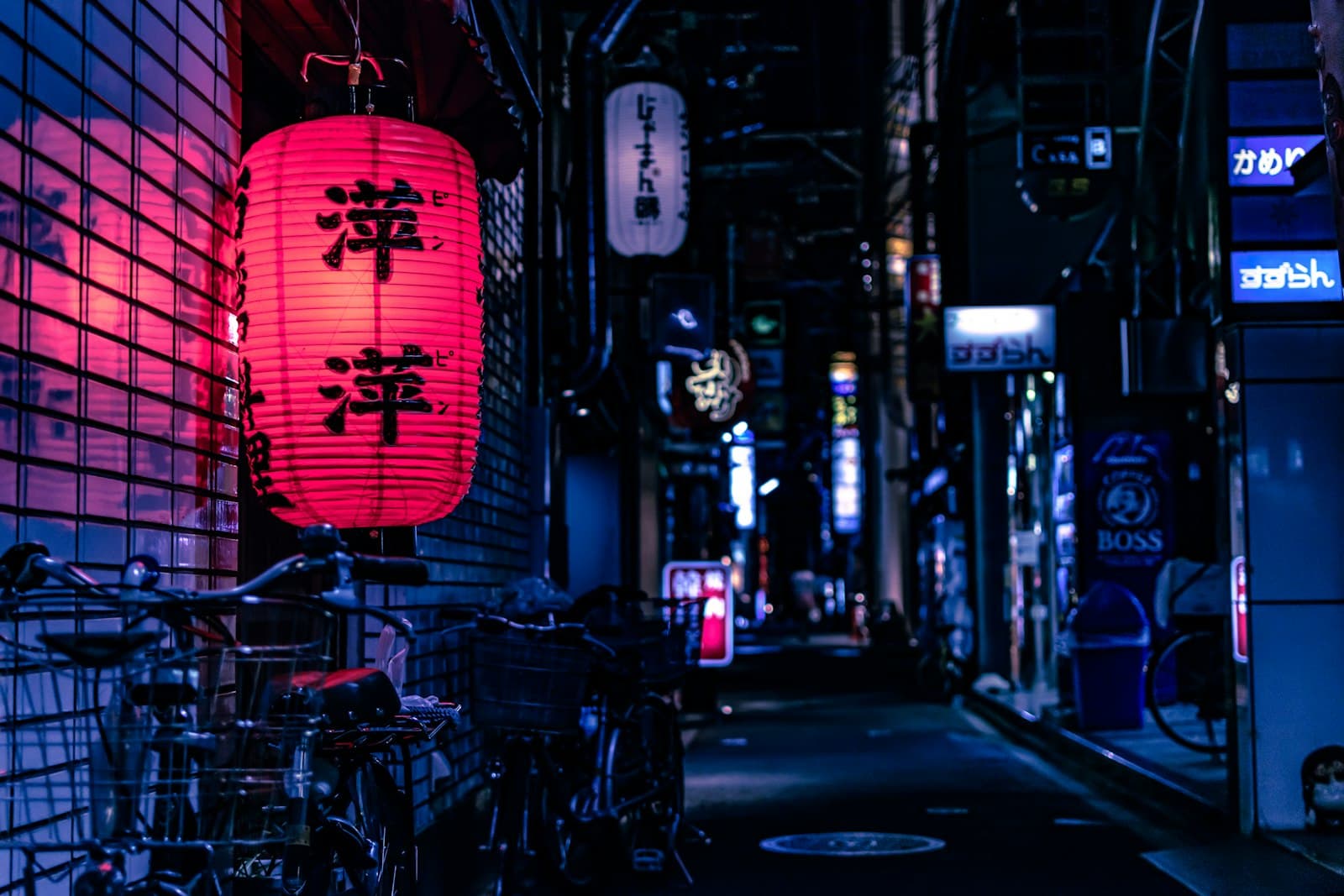
Cultural experiences
Neighborhood walks, markets, and smaller museums show more of a city than a single famous viewpoint. Give them a morning, not a leftover hour.
Browse cultural experiences
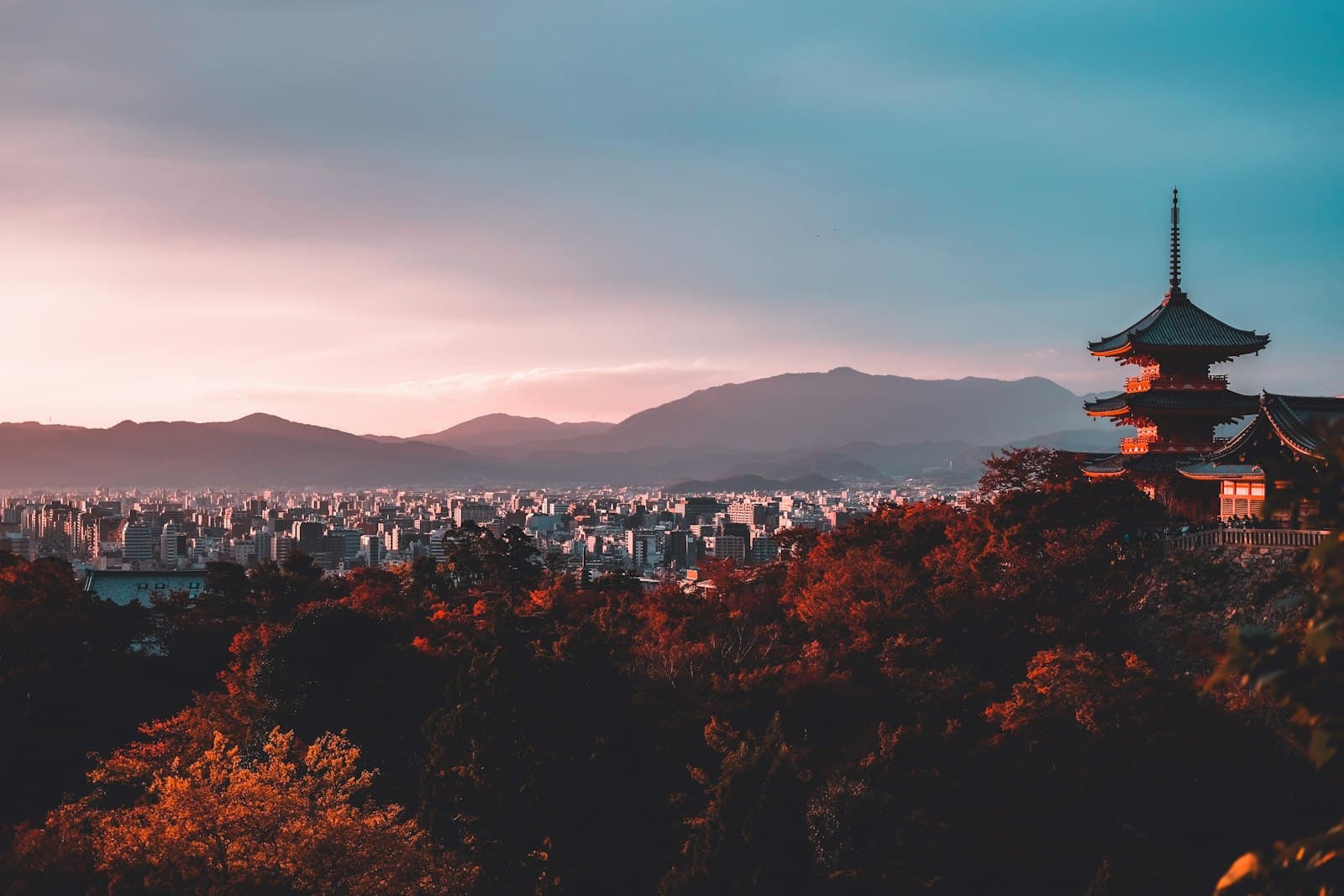
Temples and shrines
Kyoto's temple districts and Tokyo's older neighborhoods need time for the approach, not just the gate. Some interiors restrict photography. Follow the posted rules.
Guide in progress
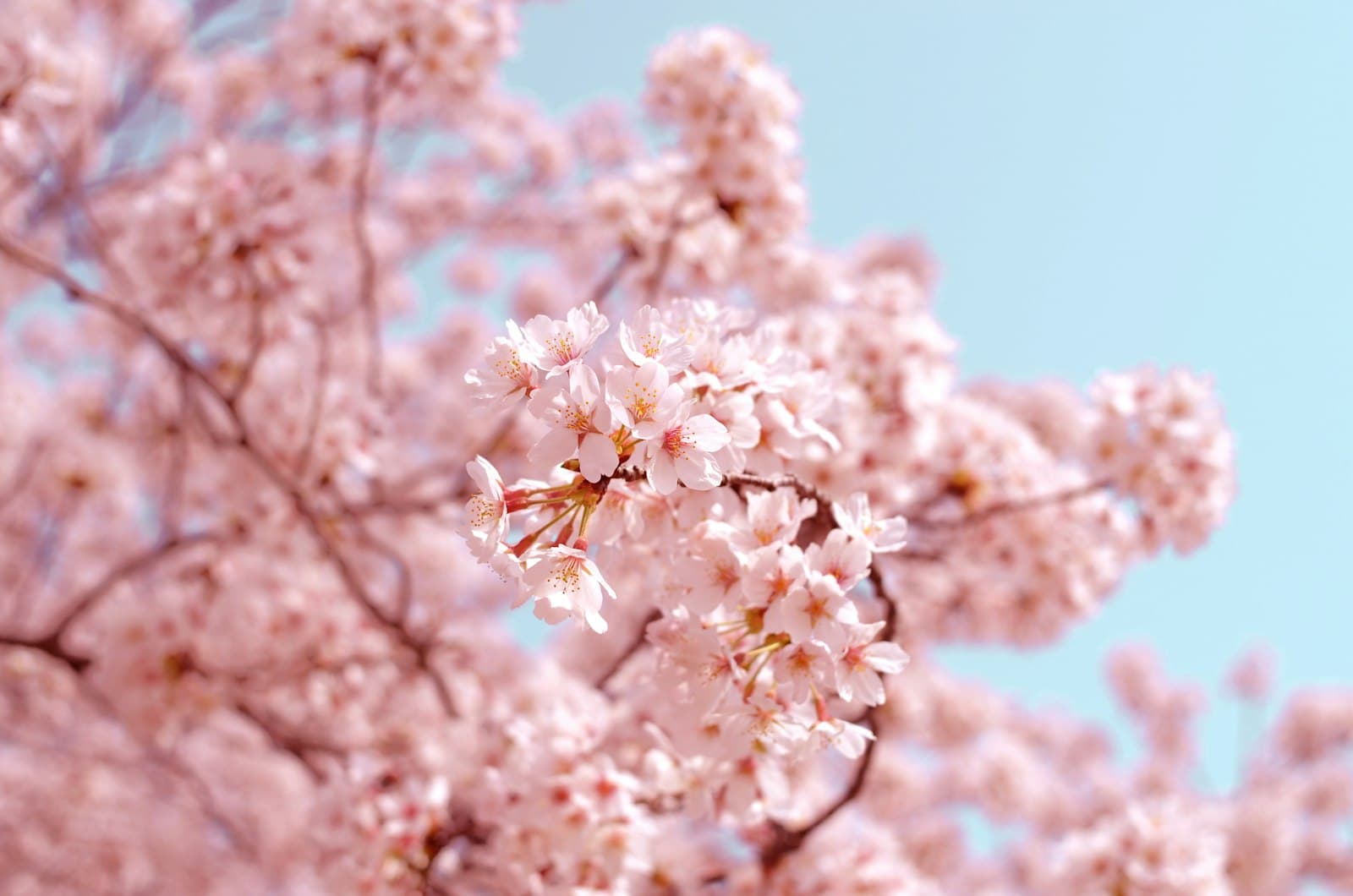
Nature
Mountains, national parks, and seasonal landscapes sit outside the city loop. Blossoms, foliage, and snow do not peak on the same week from Kyushu to Hokkaido.
Browse outdoor ideas
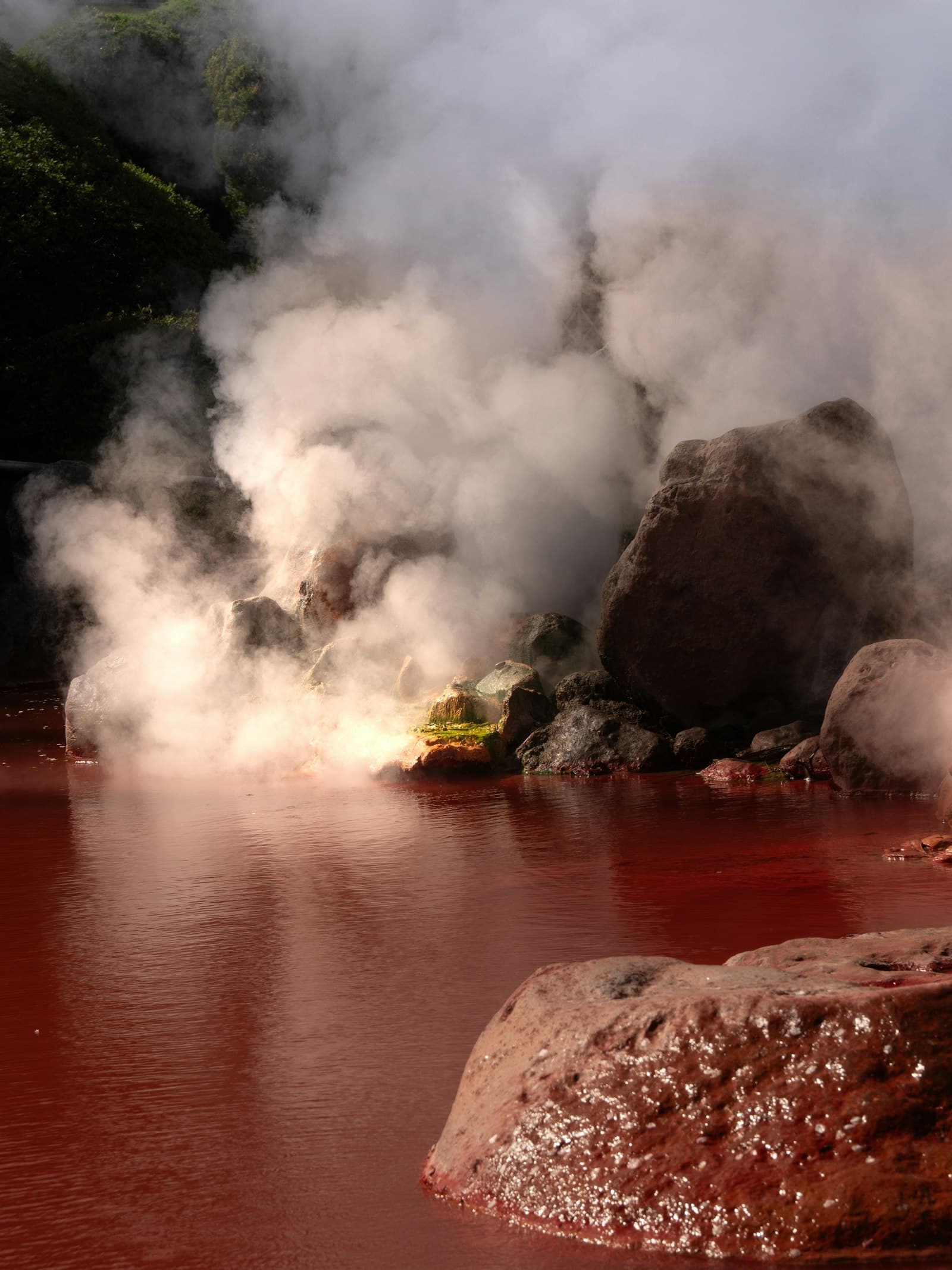
Hot springs
Onsen towns are usually an overnight, not a stop between cities. Wash before the bath. Some baths still refuse tattoos, so read the house rules. This page does not list baths or prices.
Guide in progress
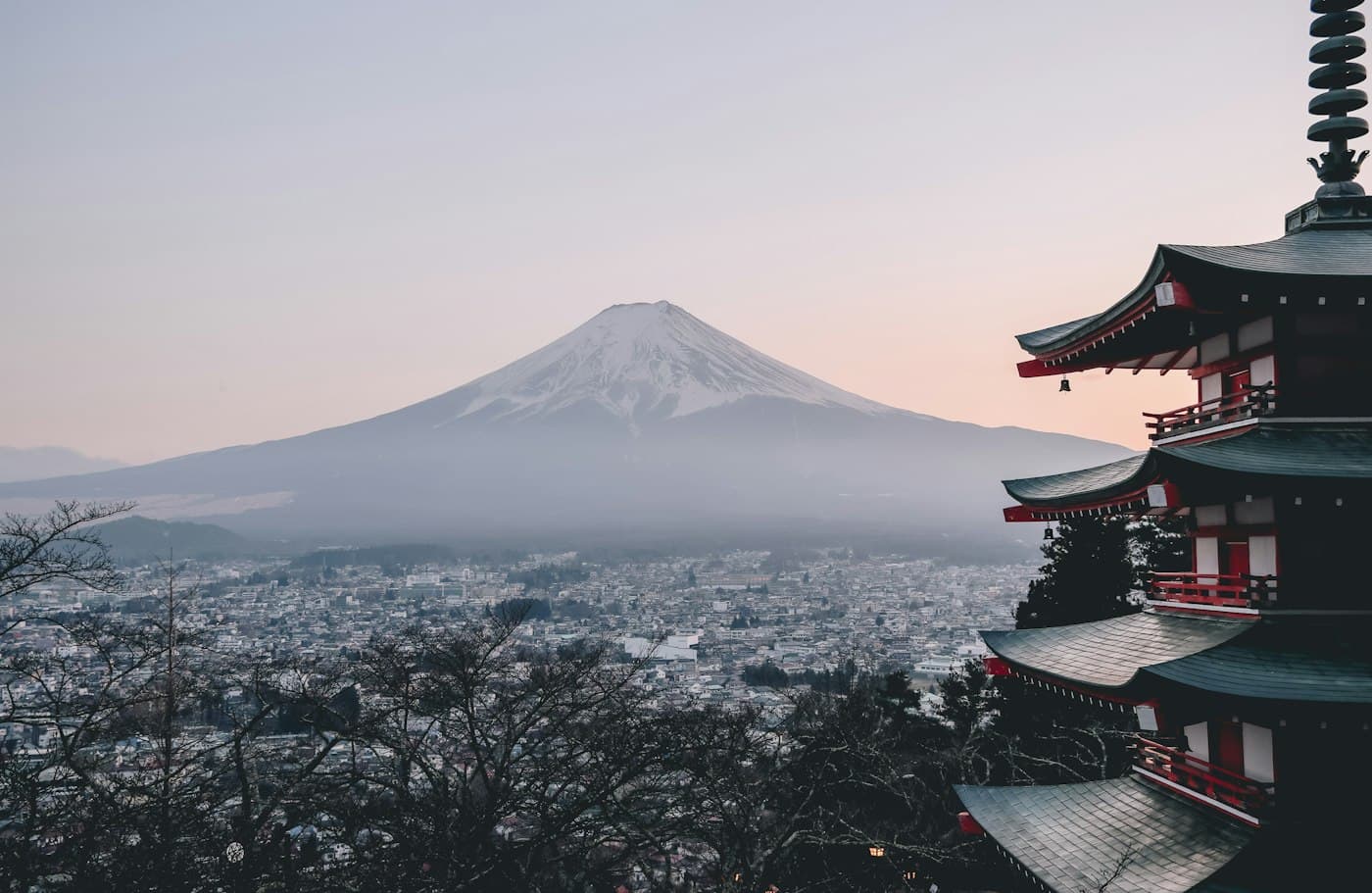
Day trips
A useful day trip still leaves a real part of the day at the destination. Mount Fuji, Nara, and Kamakura are the ones people most often weigh against staying put.
Browse day trips
Tour and activity links are not connected yet. This section does not show prices, ratings, or availability.
Accommodation
Where to stay in Japan
Choose the neighborhood before the building. A good base is the one that matches the trains you will take at night, not a ranked list of hotels.
In Tokyo, the useful comparison is Shinjuku, Shibuya, Asakusa, and the central stations, because each changes the commute. In Kyoto, staying near the temples and staying by the shinkansen station are different trips. Osaka is often a one- or two-night addition from Kyoto rather than a third full base.
Only the Tokyo neighborhood guide is available. Kyoto and Osaka guides will be linked here when they are written. None of these pages lists hotel prices, review scores, or rooms you can book.
Where to stay in Tokyo
Compare neighborhoods by the station you will actually use. The Tokyo guide is a draft and does not rank hotels.
Draft neighborhood guide. No hotel offers.
Read the Tokyo stay guide
Where to stay in Kyoto
The station side and the temple districts change how much you walk at night. A Kyoto neighborhood guide is not published yet.
Guide in progress
Where to stay in Osaka
Umeda, Namba, and the neighborhoods between them suit different evenings. An Osaka area guide is not published yet.
Guide in progress
Hotel partner links are not connected yet. Nothing here is a live offer or a checked vacancy.
Transport
Getting around Japan
Trains do most of the long-distance work. Subways and buses cover the cities. A national rail pass is a calculation, not a default.
The shinkansen is the straightforward way between Tokyo, Kyoto, Osaka, and Hiroshima. The fastest Tokyo–Kyoto services take a little over two hours; slower trains take longer. Hiroshima is closer to a four-hour ride from Tokyo and a shorter one from Osaka or Kyoto. Exact minutes change with the timetable.
City trips use a mix of JR lines, subways, and buses. Tokyo, Osaka, and Kyoto each have their own metro systems, separate from JR. A stored-value IC card is the practical way to move between them without buying a paper ticket every time. Welcome Suica and Tourist PASMO are visitor cards sold with credit already on them, no deposit, and about 28 days of validity from the purchase date. Unused value on those tourist cards is not refunded. They work on transport and in shops that show the national IC mark, not on every rural bus. Sales desks and phone-wallet rules change, so confirm them with JR East or PASMO before you travel.
Highway and local buses fill gaps the trains miss, especially outside city centers. Hokkaido is the main exception to an all-rail plan: from Tokyo, flying is the usual way to add it, because the train takes most of a day.
A dedicated Japan transport guide is not published yet. Travel tips covers general preparation, and the seven-day outline is where the Tokyo–Kyoto transfer will be spelled out.
Transport partner links are not connected yet. The prices above are published pass fares, not a booking we have checked.
Essentials
Japan travel tips and essentials
Connection, payment, etiquette, packing, and insurance are the practical questions that sit beside the itinerary.
Internet and eSIMs
A data plan makes maps and translation easier. Whether an eSIM works depends on the phone. This page does not confirm compatibility for any device or carrier.
Read eSIM guides
Payment methods
Cards are widely accepted in cities, hotels, and chain stores. Smaller restaurants, markets, and some temples still prefer cash. An IC card also covers a lot of everyday transit.
Cultural etiquette
Remove shoes where you see a step or lockers. Keep phone calls off trains. Do not tip. At shrines and temples, follow the posted path and any photography limits.
Packing
Comfortable walking shoes matter more than formal clothes. Pack layers, a compact umbrella for the rainy season, and a real coat if the trip includes Hokkaido or midwinter mountains.
See travel essentials
Travel insurance
Before you buy, ask what medical care, delays, and trip changes the policy actually covers in Japan. This page does not compare policies or describe coverage.
Read insurance questions
eSIM and insurance partner links are not connected yet. Read the guides for the questions to ask. This page does not claim coverage or device compatibility.
Journal
Japan travel guides
Published Japan articles will appear here with a featured image, category, date, and author. Nothing is shown until that record exists.
No Japan articles are published yet
The guides below are the Japan pages that exist today. They are drafts or broader collections, and they are the ones safe to open.
Questions
Practical questions before you go
Short answers for trip length, cost, season, trains, and staying online. Prices and card rules should be rechecked before you travel.
How many days do you need in Japan?
Plan on seven days if the trip is Tokyo and Kyoto. Five days works for one city, or a faster two-city split that spends a day on the train. Ten days can add Hiroshima or time near Mount Fuji. Fourteen days is the point where a third region, including a short Hokkaido trip by air, has room to breathe. These are planning ranges, not a tested itinerary.
How much does a trip to Japan cost?
There is no honest single daily figure on this page. Lodging is the cost that swings most, especially in blossom season, autumn, Golden Week, Obon, and the New Year. Intercity trains are the next decision: individual tickets versus a rail pass, which only helps if the long rides you will take cost more than the pass. Food can stay modest at counters and convenience stores or rise quickly with reserved meals. Local transit is usually the smaller line. We have not checked current hotel rates or exchange rates.
When is the best time to visit Japan?
Late March and April are blossom season, moving from south to north, with dates that change every year. Early June to mid-July is the rainy season on much of Honshu, not in Hokkaido. July and August are hot and humid in Tokyo, Kyoto, and Osaka, and typhoons are most common from summer into early autumn. Late October and November bring foliage, earlier in the north and the mountains. December to February is snow season in Hokkaido and the Japan Alps, while many Pacific-side cities are colder and often clearer. The best month is the one that matches the landscape you came for.
What is the best way to get around Japan?
Between cities, use the shinkansen or a flight when the rail day is too long, as it is for most Tokyo–Hokkaido trips. Inside cities, subways, JR lines, and buses connect, and a tourist IC card such as Welcome Suica or Tourist PASMO is the simple way to pay for short rides. A national Japan Rail Pass is optional. From 1 October 2026, overseas-agency ordinary adult prices are ¥53,000 for 7 days, ¥84,000 for 14 days, and ¥105,000 for 21 days, while the official online service was still selling the previous lower prices for a limited time. Nozomi and Mizuho trains need an extra ticket. Confirm the fare and the rules on japanrailpass.net before you buy.
How do you stay online in Japan?
Most travelers use a travel eSIM, a local SIM, or a pocket Wi-Fi device so maps and translation work without hunting for Wi-Fi. An eSIM only helps if the phone supports it, and this site does not verify handsets or networks. Read the eSIM guide for the questions to ask, and treat any future partner link as a paid recommendation rather than a compatibility promise.
Keep planning
Choose a length, then fill in the cities
Start with the seven-day outline if Tokyo and Kyoto are the trip. Open the Tokyo stay notes when you are choosing a neighborhood. More city guides will be added on this page as they are written.